
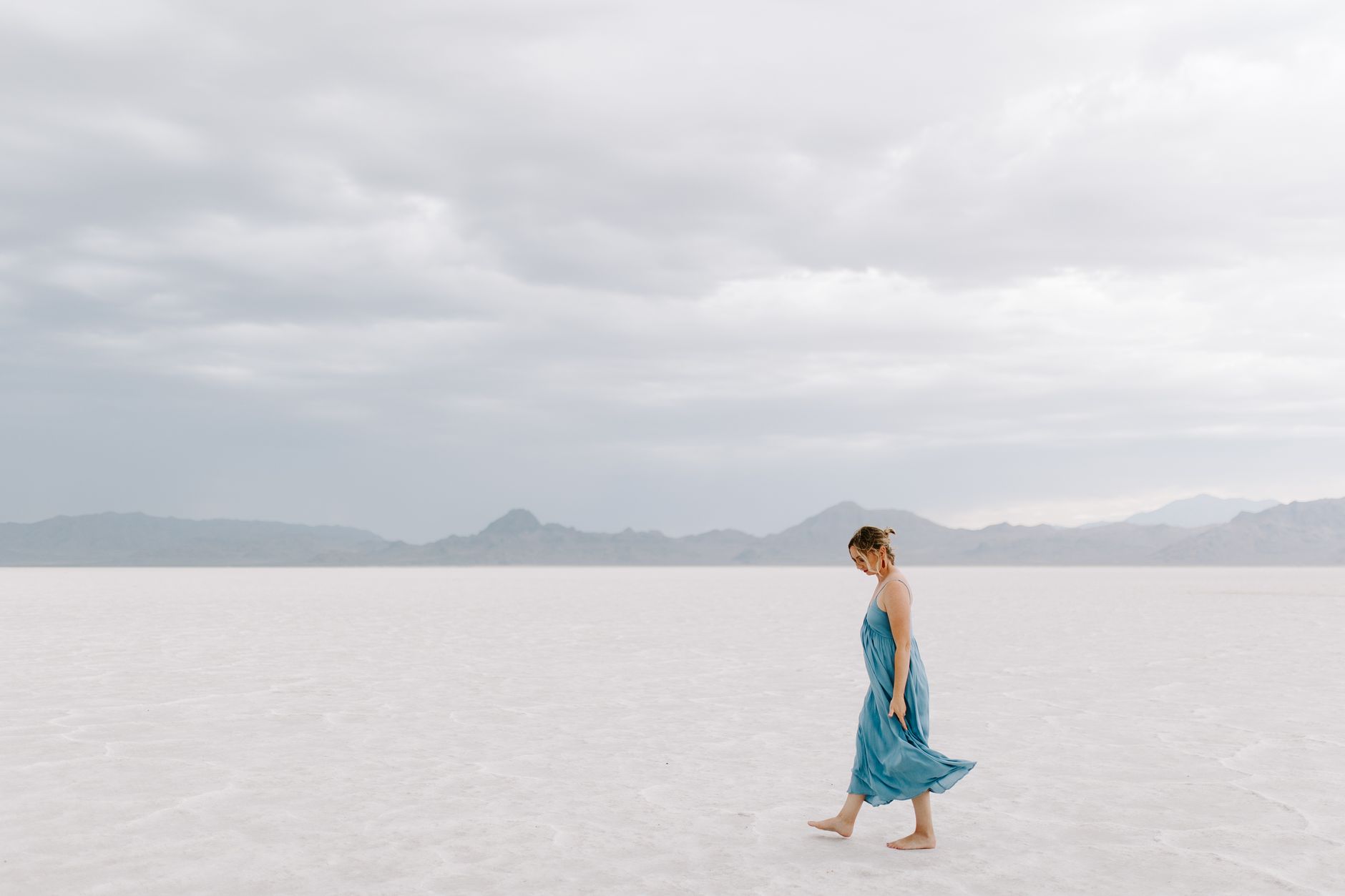
Utah fashion is shaped, more than anything, by two forces that rarely end up in the same sentence: LDS modesty culture and serious outdoor gear. That combination sounds strange until you spend a week in Salt Lake City and watch someone walk out of REI in a high-neck swim coverup, or spot a trail runner in Emigration Canyon wearing a fully covered silhouette that’d look right at home in a modest fashion lookbook. The state has built something genuine around those two poles, and it’s worth understanding how.
About 62% of Utah’s population identifies as Latter-day Saint, and that shapes retail in ways that go well beyond Sunday dress. Sleeve length, neckline, hemline: these are practical decisions for a lot of shoppers here, not aesthetic ones. Brands that figured that out early built loyal customer bases that coastal labels mostly ignored.
What Defines Utah Style
Honestly, Utah style sits somewhere between functional and conservative, with a surprisingly wide range inside that. Park City draws a completely different crowd every January when Sundance rolls in. Celebrity coverage spikes for about two weeks, fur-trimmed parkas get photographed, and then the town goes back to its usual mix of fleece and western-influenced resort wear. Not representative of Utah broadly, but it does show the range.
Salt Lake City Fashion Week launched in 2007, which put local designers on a real stage earlier than most people realize. The event has had uneven momentum over the years, I’ll be honest, but it signaled that the city wanted a fashion identity beyond “mall state.” What came out of those early years wasn’t a Utah version of New York minimalism. It was something closer to elevated practicality, clothes that could handle altitude shifts and still look considered.
The outdoor gear side is harder to separate from utah fashion than it used to be. The Outdoor Retailer trade show ran out of Salt Lake City for decades, drawing more than 20,000 attendees annually before relocating to Denver in 2018 over land-use policy disputes. That show kept Utah visible to the global gear industry for years, and some of that culture stuck.
Modest and Outdoor Brands
Cotopaxi is probably the clearest example of what Utah’s outdoor-meets-values aesthetic looks like at its most commercially successful. Founded in Salt Lake City in 2014, the brand built its identity around colorful, ethically sourced gear with a social mission baked in from the start. It doesn’t read as a Utah brand on the surface, but the founding context matters: the state’s culture of community obligation and its outdoor access both show up in how the company actually operates.
On the modest fashion side, Albion Fit is the name that comes up most. They built a real business around modest swimwear and activewear at a time when most swimwear brands weren’t thinking about that customer at all. Coverage isn’t a compromise in their design language; it’s the point. The global modest fashion market was valued at around $350 billion by 2023, and Utah-based brands got there before most people recognized the category as a category.
A few things that separate Utah modest brands from modest-by-accident mainstream ones:
- Coverage is built into the pattern, not added as an afterthought layer
- Fabrication tends to run technical, not just conservative
- Sizing often runs fuller through the shoulder and hip by default
- Price points sit mid-to-premium, not budget
There are smaller labels doing interesting things too, mostly direct-to-consumer, often founded by women who got frustrated with available options and started cutting their own patterns. That’s a recurring origin story in this space.
Where Utah Fashion Is Headed
Utah fashion is in an interesting spot right now, because the modest fashion market has gone global in a way nobody really predicted. International buyers, particularly from the Middle East and Southeast Asia, are actively looking at brands that built for coverage first. Utah labels have structural advantages there that they didn’t engineer deliberately, which is worth paying attention to.
The outdoor angle is shifting too. Gorpcore, the trend cycle that made technical hiking gear acceptable casualwear, brought mainstream attention to an aesthetic Utah has been living in for thirty years. Whether that’s a genuine cultural moment or just a two-season thing, I’m genuinely unsure. But Utah-rooted brands are getting looked at by buyers who would’ve passed two years ago.
The tension going forward is between staying legible to the local customer and scaling for an audience that doesn’t share the same cultural context. That’s a real strategic problem, not just a branding one. The brands that work it out will probably look more like Cotopaxi than like a regional modest boutique: bigger mission, looser geographic identity, but roots that still show up in the product.
FAQs
What is Utah’s fashion style?
Utah style blends LDS modesty norms with outdoor and activewear influence, producing practical, coverage-forward clothing that prioritizes function and conservative silhouettes over trend-driven looks.
Are there fashion weeks in Utah?
Salt Lake City Fashion Week launched in 2007 and continues to platform local designers, though its scale is smaller than major coastal events.
What modest clothing brands are based in Utah?
Albion Fit is the most recognized Utah-based modest brand, known for swimwear and activewear. Several smaller direct-to-consumer labels operate out of Salt Lake City and surrounding areas.



1 Comments
Comments are closed.