
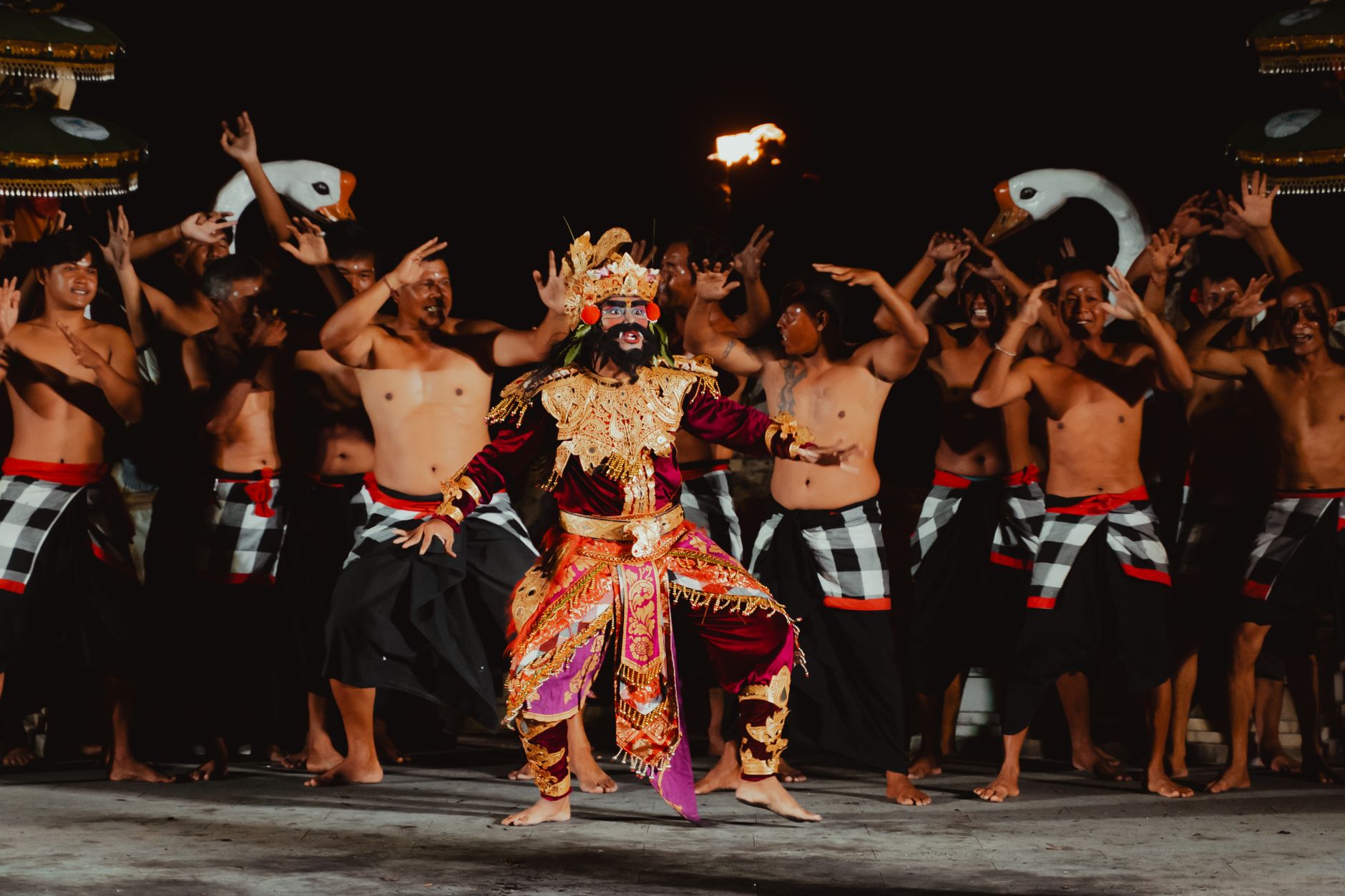
A friend once mentioned she felt guilty for binge-watching three hours of TV on a Saturday. That really struck a chord, as it overlooks why we even engage in forms of entertainment in the first place.
These forms aren’t just modern indulgences or signs of laziness. They’re actually rooted in our survival instincts, ingrained in human behavior long before screens existed. Every culture, from ancient Mesopotamia to your city today, has thrived on how it chooses to play, perform, and connect. The methods may evolve, but the need remains constant.
In 2023, the global entertainment industry hit a staggering value of $2.6 trillion. That number isn’t just hype; it reflects something essential that people rely on.
What’s Considered Entertainment
When people think of entertainment, they often picture movies or concerts, but the definition is much broader. At its core, entertainment is any organized activity that captures attention and evokes emotions, whether that’s joy, tension, awe, or just a comfy distraction. Storytelling around a campfire? Check. Chess tournaments? Absolutely. Parades? You bet.
Here’s a rough breakdown of categories:
- Performing arts: theater, dance, opera, stand-up comedy
- Audiovisual media: film, television, streaming, podcasts
- Interactive: video games, sports participation, escape rooms
- Spectator sports: football, basketball, Formula 1, esports
- Social and cultural events: festivals, carnivals, religious ceremonies
It’s interesting that “social and cultural events” sit alongside commercial entertainment. A Diwali celebration shares overlapping psychological traits with a Taylor Swift concert, even if the business models are worlds apart. Where people draw the line between entertainment and ritual reveals more about their own culture than the activity itself.
Entertainment Through the Ages
Did you know Roman amphitheaters could seat as many as 80,000 spectators? The Colosseum wasn’t just a spectacle; it was a political instrument, a social equalizer, and a ritualistic gathering place. Gladiatorial games helped keep a restless populace emotionally occupied. It might sound cynical, but it’s also pretty spot-on.
Greek theater rose from religious festivals honoring Dionysus, with tragedies exploring grief, justice, and fate—subjects still super relevant in modern dramas. Medieval Europe saw traveling troubadours and mystery plays, as well as public executions that attracted big crowds. Back then, no one thought they were merely “consuming content.” They were partaking in something communal.
Music has danced through every documented culture without exception. The question is whether people were making music themselves or listening to it performed. Historically, most folks were active participants. But recording technology around the early 20th century changed that landscape drastically. We’re still figuring out what that shift has cost us on a social level.
Print, radio, and then television each reshaped mainstream entertainment. New media didn’t wipe out the previous ones—live theater still thrives alongside cinema. Cinema coexists with television. That trend continues, mostly.
How We Consume Entertainment Today
As of 2024, streaming services have racked up over 1.5 billion paid subscriptions globally. The average American spends roughly 5.5 hours a day consuming some form of media. That’s often more time than they spend with family. It doesn’t necessarily imply something’s off, but it’s worth considering.
By 2020, video gaming had surpassed film box office revenue globally, and that gap has only widened. Gaming isn’t just a niche anymore; it’s a massive form of entertainment that’s interactive in a way most others aren’t. That makes a big difference in how people engage with stories and characters.
Live events are in a peculiar spot. Live music brought in about $31 billion globally in 2023, a solid recovery after the pandemic hit hard. However, attendance at performing arts—think theater, opera, classical music—plummeted about 30% compared to before 2020, and it hasn’t fully bounced back. The symphony’s audience is aging, and while younger people are attending, there just aren’t enough of them.
Social media is also blurring the lines in ways that are hard to sort out. Short videos, live streams, and user-generated content serve as entertainment for billions, although they don’t fit the traditional industry mold. A teenager watching someone play Minecraft for two hours is doing something similar to what a Roman citizen experienced in the Colosseum, albeit in a smaller scale mediated through a phone. The form has changed; the behavior, not so much.
Takeaways on Entertainment
Forms of entertainment do more than reflect culture; they shape it. The stories societies choose to share, the games they rally around, and the performers they elevate—all these decisions carry values and assumptions. Rome’s games highlighted themes of violence and social order. Hollywood’s golden age spoke to aspirations and conformity. What does today’s five-hour daily media consumption say about us? I can’t claim I have a neat answer, but it’s definitely a question worth exploring.
If you’re trying to understand any culture or era, it’s wise to start with what people did on a Friday night.
FAQs
What are the main forms of entertainment?
The main categories include performing arts, film and television, music, video games, sports, and social events, though their boundaries often overlap.
Is gaming now bigger than movies?
Yes, video gaming surpassed global film box office revenue by 2020 and has continued to lead in consumer spending since then.
What is the most popular form of entertainment today?
By time spent, audiovisual media such as streaming and social video dominate globally, with gaming close behind and expanding even faster.


1 Comments
Comments are closed.