
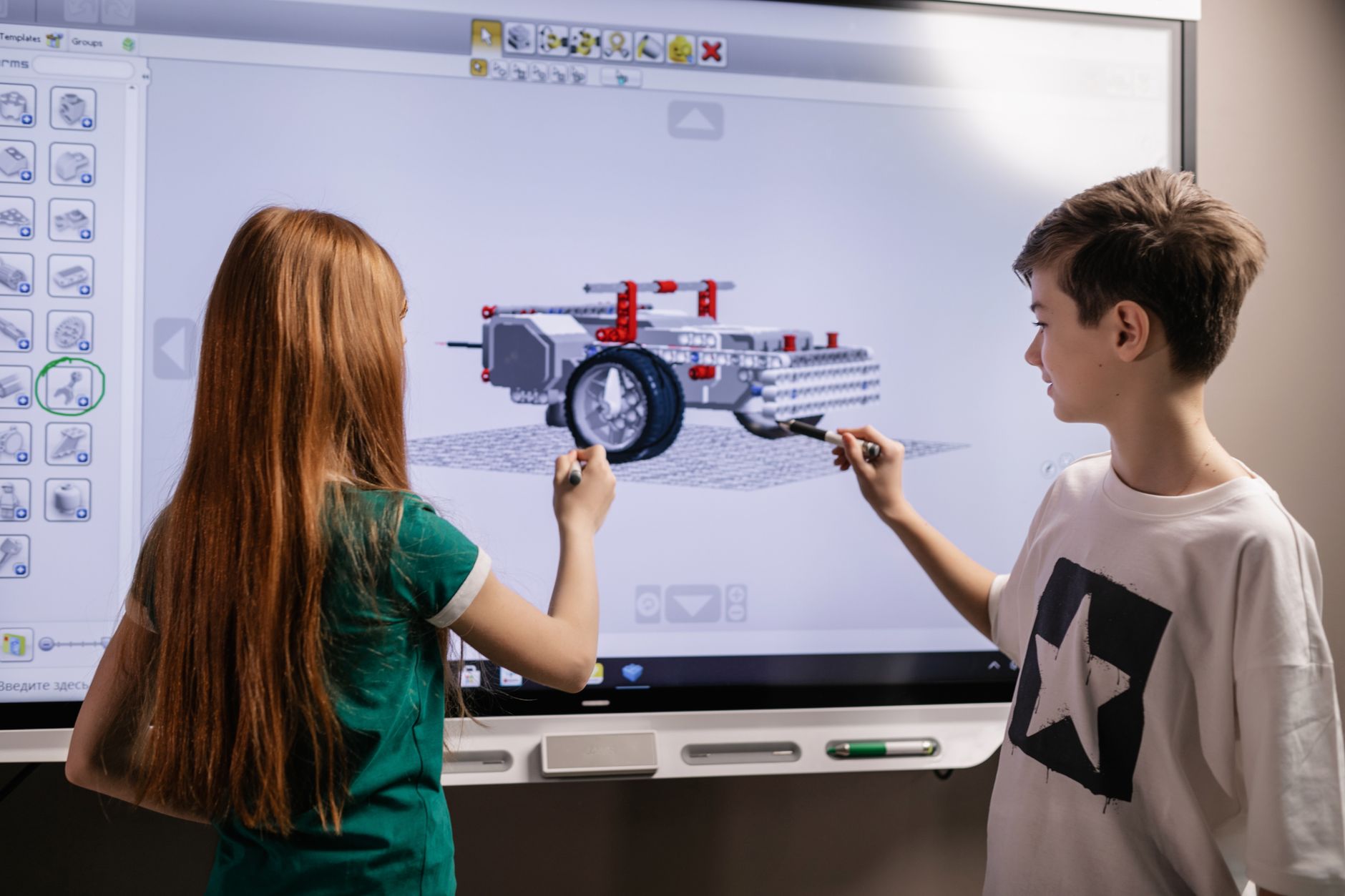
The relationship between technology and education has always been complicated. Some tools arrive with enormous hype and quietly disappear. Others, far simpler than anyone expected, end up being the ones teachers actually keep using. The ed-tech market was valued at $142.37 billion in 2023, which sounds impressive, but that number tells you nothing about whether any of it is working inside a real classroom.
One of the bigger swings in the 2010s was the push for 1-to-1 device programs, where districts handed every student a personal device. Some of those programs cost up to $1,000 per student per year. And in plenty of schools, engagement didn’t budge. The devices sat in charging carts or went home and ran YouTube. Handing someone a laptop doesn’t automatically make them a better learner, which seems obvious in hindsight.
What Ed-Tech Promised vs Delivered
When you look honestly at technology and education, the gap between the pitch and the result is sometimes embarrassing. Research on retrieval practice, the simple act of recalling information rather than re-reading it, consistently shows it outperforms passive video watching on retention tests by a significant margin. So when ed-tech companies spent years building slicker video platforms, they may have been optimizing for the wrong thing entirely.
Khan Academy is a genuine success story here: 150 million registered users, high engagement, real instructional quality. But even Khan Academy is now competing with tools like Khanmigo, its own tutoring system launched in 2023, because video alone isn’t always enough. When COVID pushed around 1.6 billion students into remote learning, the platforms that promised a smooth transition often struggled. Meanwhile, some teachers found that printed packets and a basic online forum did more to keep kids on track than anything fancier.
Tools With Proven Classroom Results
What I’ve seen work, both from reading the research and talking to teachers who actually use this stuff, tends to be quieter than the marketing suggests. Tools that support retrieval practice, spaced repetition, or low-stakes quizzing consistently outperform their flashier competition. Simple collaborative software, the kind a student figures out in ten minutes, tends to get used. The tool that needs a three-day professional development session usually doesn’t.
Intelligent tutoring programs are worth watching. Khanmigo and similar systems aim to personalize feedback in ways a single teacher managing thirty students genuinely can’t. But (and I think this matters) they work best alongside established teaching methods, not as replacements for them. Stacking a new tool on top of shaky instructional foundations doesn’t fix the foundations.
One thing I’d push back on is the assumption that more sophisticated always means more effective. Collaborative platforms succeed partly because they get out of the way and let students talk to each other. That simplicity isn’t a flaw.
Gaps That Technology Cannot Close
Here’s where technology and education run into a hard wall. UNESCO puts the number of children still out of school globally at 244 million. No app addresses that. In the U.S. alone, around 12 million students lack reliable home internet, which means the best ed-tech tool in the world is simply irrelevant to them. Connectivity is a prerequisite, not a given, and that’s a policy problem more than a product problem.
There’s also something that doesn’t show up in any dashboard: the relationship between a student and a teacher who actually knows them. Empathy, the ability to read when a kid is struggling before they say anything, the kind of mentorship that changes what a young person thinks they’re capable of, none of that gets digitized. I’m not anti-technology, but I’d be skeptical of any system that treats the human side of teaching as an inefficiency to be engineered away.
The schools making the most progress tend to use technology as one tool among several, not as the answer. That’s probably the most honest framing I’ve come across.
FAQs
Does technology improve student learning outcomes?
Sometimes, but it depends heavily on how it’s used. Tools that support active recall or collaboration tend to help; tools that replace thinking with passive consumption often don’t.
What is the best technology for classroom teaching?
From what I’ve seen, simple platforms that encourage collaboration and retrieval practice outperform complex gadgets most teachers don’t have time to learn properly.
How does lack of internet access affect students?
It cuts them off from most modern ed-tech entirely, widening the gap between them and peers who have reliable connectivity at home.



1 Comments
Comments are closed.