
Greece pulled in over 30 million tourists in 2019, which is wild when you consider the whole country has around 10 million people living in it. If you’re planning to travel greece for the first time, the best thing you can do is slow down and actually think through your itinerary before you book anything. A little structure goes a long way, and it’s genuinely the difference between a trip you’ll talk about for years and one where you spend half your time queuing or backtracking.
Plan Your Greece Route First
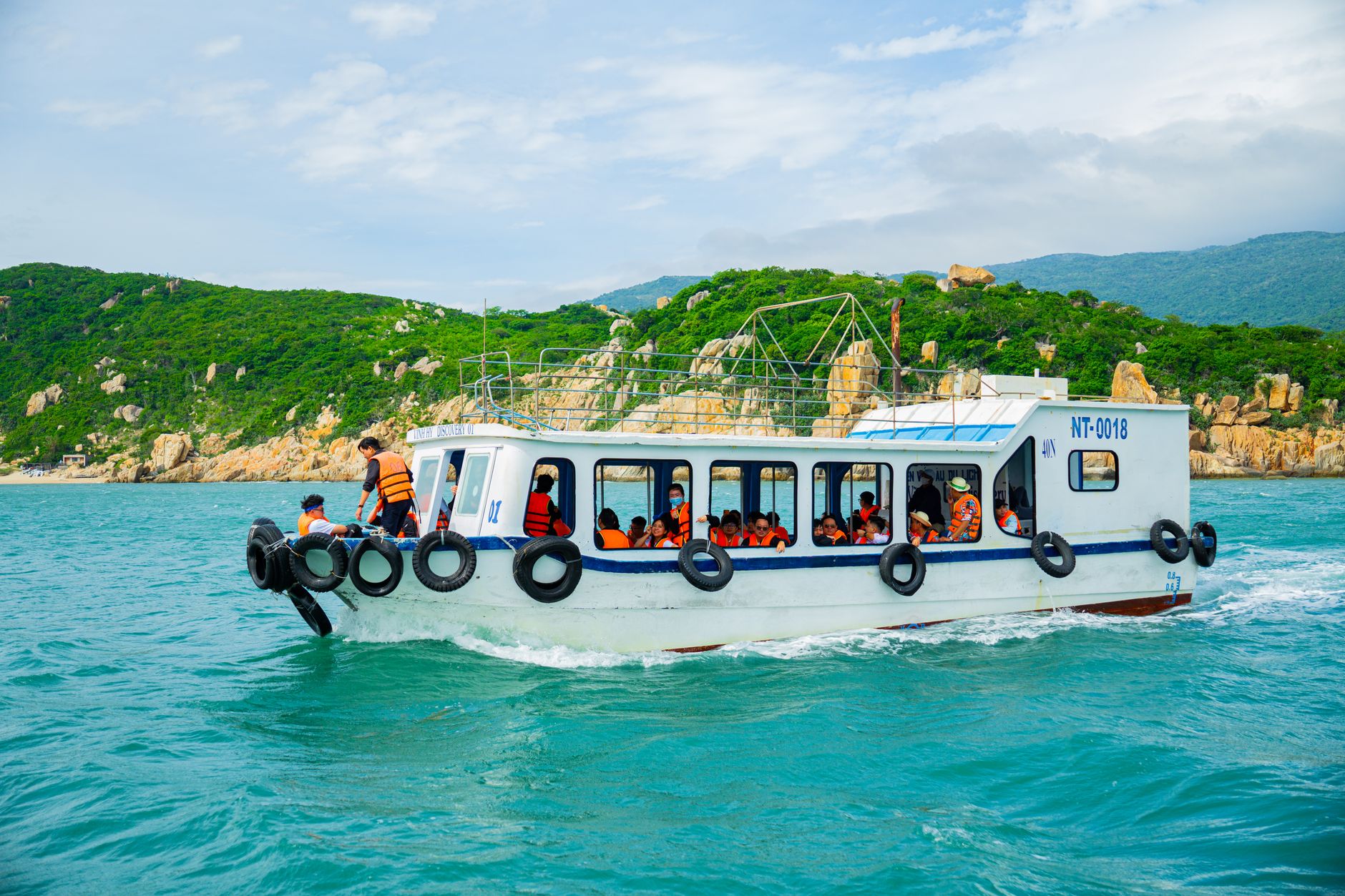
The cleanest approach is to fly into Athens, spend a few days there, then work your way out to the islands in a logical arc rather than zigzagging randomly. Athens to Santorini on a fast ferry runs about 8 hours and costs somewhere between €40 and €80 per ticket, depending on when you book. I’d plan that leg early, because prices creep up fast in summer. If Mykonos is on your list too, expect similar travel times, sometimes longer if the ferry makes stops along the way.
A lot of first-timers try to hit every island they’ve seen on Instagram, and that’s where things fall apart. A smarter flow is Athens, then a quieter nearby island like Hydra or Naxos, then the bigger names. Naxos in particular is underrated: good beaches, local food, and noticeably fewer crowds than Mykonos.
Cost Breakdown for Athens and Islands
Mykonos in high season will run you €300-plus per night for a decent hotel room. Naxos, by comparison, sits around €80 to €120, which is much easier to stomach. If your dates are flexible, shoulder season (April to May or September to October) cuts accommodation costs noticeably and the weather is still genuinely lovely. July and August are beautiful, sure, but you’re paying for the privilege on every front.
In Athens, the Acropolis entry is €20, though it’s free on the first Sunday of each month from November to March. That’s worth knowing if your timing lines up. And honestly, the Athens metro is cheap and reliable enough that I’d skip taxis almost entirely while you’re in the city.
Travel Greece on a Real Budget
Budget travel in Greece is doable, though I’ll admit ferry schedules can be more chaotic than the booking sites suggest, so build in some buffer. For island hopping, Olympic Air and Sky Express both run domestic routes from around €35, and you’re on the ground in under an hour instead of rolling around on a ferry for half a day. Worth it, especially in the middle of the trip when you’re already tired.
If you’re doing multiple ferry legs, look into passes through Hellenic Seaways. They don’t suit every itinerary, but if you’re moving around a lot they can save real money. When it comes to food, skip the harbour-front restaurants with laminated menus and find a local taverna one street back. You’ll spend maybe half as much and eat considerably better. Street food is worth exploring too, a decent gyros wrap costs a couple of euros and keeps you going for hours.
To travel greece without blowing your budget, the main thing is just making decisions before you arrive rather than improvising on the ground. Prices for ferries, hotels, and even museum tickets all climb once summer hits. Book what you can early, leave room for spontaneity on the smaller stuff, and you’ll be fine.
What to Sort Before You Fly
Get your ferry and flight legs between islands booked a few weeks out, especially if you’re going in July or August. Accommodation on the popular islands sells out faster than most people expect. Sort your Athens hotel last, since the city has far more options and prices are more stable. Once the transport is locked in, the rest of the trip tends to fall into place pretty naturally. And if something doesn’t work out exactly as planned, well, you’re in Greece. There are worse places to improvise.
FAQs
What is the best time to travel to Greece?
April to May and September to October offer mild weather and lower prices than peak summer, making them the most practical windows to travel greece.
Do I need a visa to travel to Greece?
Non-EU visitors fall under the Schengen 90-day rule, allowing stays of up to 90 days within any 180-day period.
How do I get between Greek islands?
Ferries through Hellenic Seaways are the most common option; Olympic Air and Sky Express cover the same routes by air in under an hour.