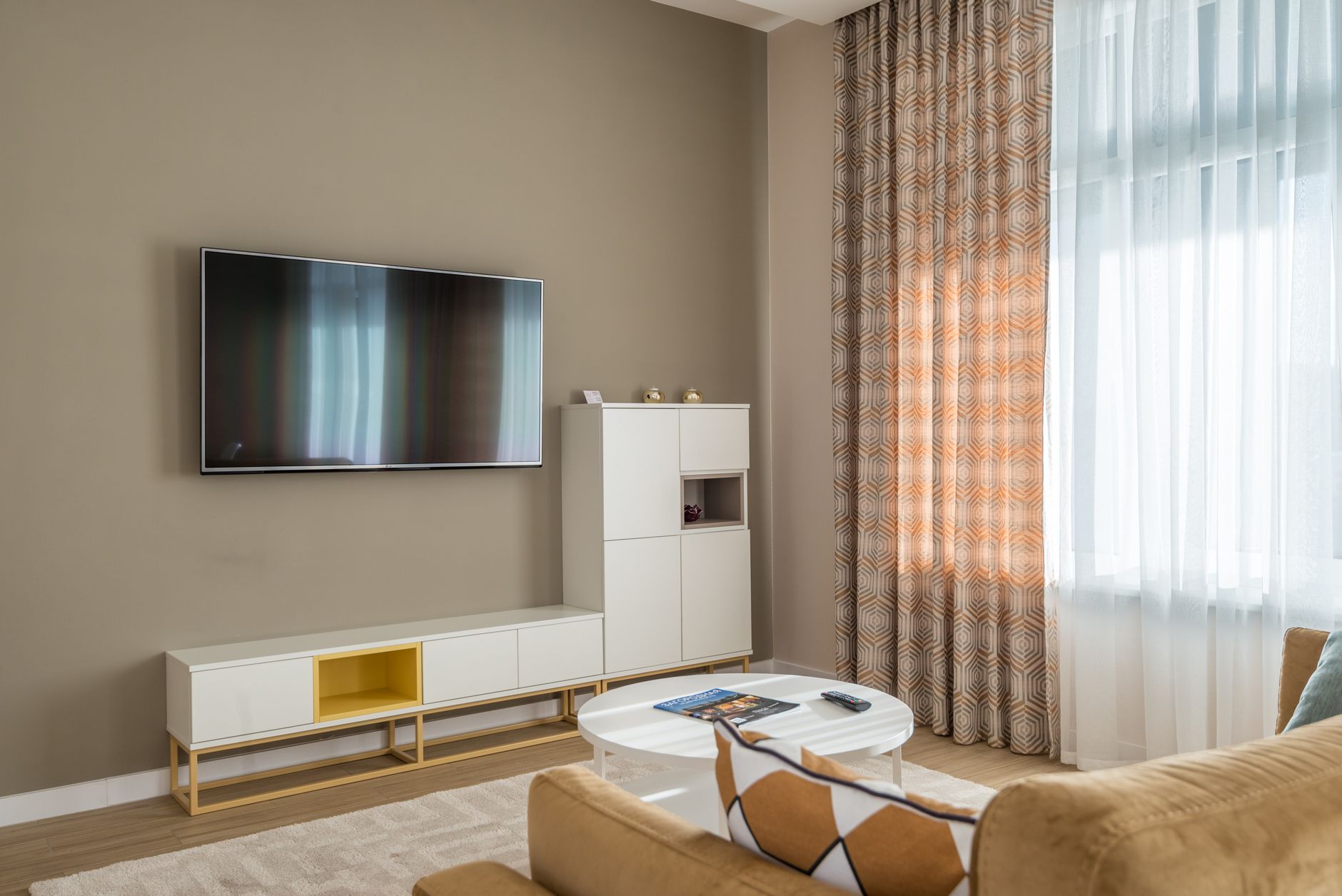
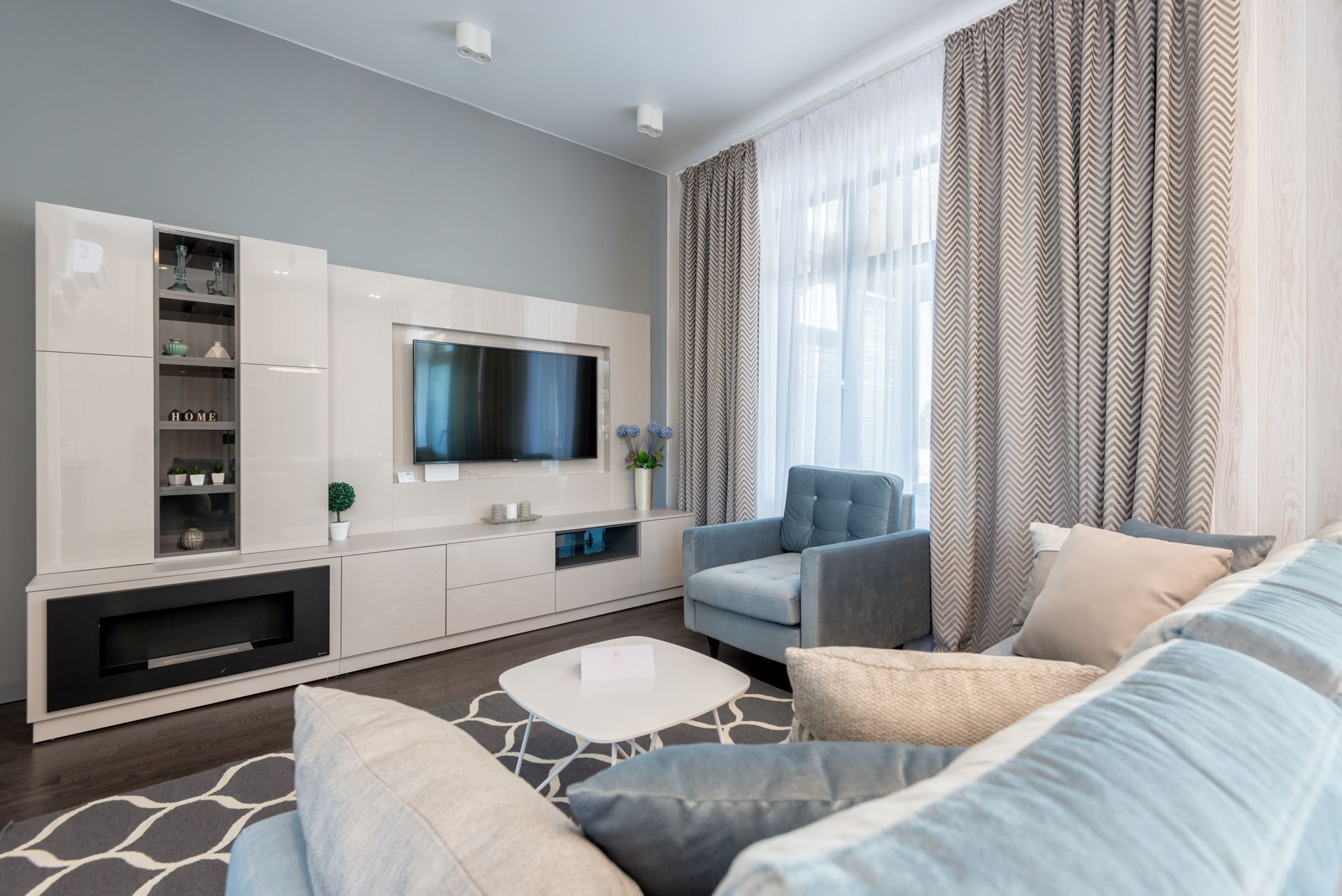
People assume a modular entertainment center is either a flat-pack nightmare or just a boring box for your TV. That’s not really true. When I set mine up last year, I was surprised by how well it handled a weird corner layout that no off-the-shelf unit would touch. And with more people working from home and actually using their living rooms again, it makes sense that these systems have taken off.
What is a Modular Entertainment Center?
A modular entertainment center is a customizable furniture system built from separate components you arrange yourself. Shelves, cabinets, open bays, closed drawers — you pick what you need and skip what you don’t. Unlike a single-piece unit, you can scale it up later or pull pieces out if you move somewhere smaller. That flexibility is the whole point, especially in apartments where every square foot matters.
Key Features and Benefits
The appeal goes well past looks. Here’s what actually makes these systems worth considering:
- Space efficiency: A well-configured modular setup can reclaim meaningful floor space in compact rooms, more than a fixed unit usually allows.
- Real customization: Colors, materials, door styles — you can match what’s already in the room instead of compromising.
- Built-in organization: Most systems include cable management and dedicated shelves for devices, which keeps things tidy without extra effort.
- Reconfigurability: Add a new console, swap a cabinet for open shelving, rearrange after a move. The pieces don’t lock you in.
- Sustainable materials: Bamboo and recycled-wood options are genuinely common now, not just a marketing footnote.
Popular Brands and Pricing
A few brands come up constantly when people research a modular entertainment center, and the price gaps between them are real.
- IKEA: Their core modular lines run $800 to $1,500. Hard to beat for first-time buyers.
- Sauder: Solid mid-range choice starting around $500, with enough configuration options for most rooms.
- Modular One: Higher-end, $1,500 to $3,000. The fit and finish show it.
- Wayfair: A marketplace rather than a single brand, so you’ll find $800 to $2,500 depending on what you choose.
- Besta (IKEA): A cleaner, more design-forward sub-line than standard IKEA, priced between $700 and $1,200.
Most people land somewhere in the $800 to $3,000 range. Materials and how many add-ons you configure drive the final number more than the brand name does.
Installation and Setup Tips
Expect three to six hours for a typical setup, maybe more if the design is complicated. A client of ours underestimated this and tried to rush it solo on a Sunday afternoon. Pieces ended up slightly out of square, which bothered her every time she looked at it.
- Read the manual first: Each brand sequences assembly differently. Skipping ahead costs more time than it saves.
- Measure twice: Check your room dimensions and the component sizes before anything comes out of the box.
- Bring proper tools: A drill, screwdriver, and level. Some kits include an Allen wrench; I’d still grab your own.
- Get a second person: Taller sections are awkward and heavier than they look.
- Go slow on alignment: A slightly off shelf compounds across multiple levels. Fix it early.
Environmentally Friendly Options
Sustainability is worth factoring in, and the options here have improved a lot. Recycled wood gives you interesting grain patterns alongside reduced waste. Bamboo grows back fast and holds up better than you’d expect from something so light. Low-VOC finishes matter more than people realize, especially in smaller rooms where air circulates less. Honestly, I’m not sure every brand’s eco claims hold up equally under scrutiny, so it’s worth checking for third-party certifications rather than taking the packaging at face value.
Customer Satisfaction Insights
From what I’ve seen browsing reviews across multiple retailers, satisfaction with modular entertainment centers tends to run high. People consistently mention the ability to reorganize without buying new furniture as the feature they didn’t know they’d care about until they had it. Complaints usually center on assembly instructions that assume more experience than most buyers have, and on finishes that don’t quite match the online photos. Reading recent reviews (not the curated ones on brand websites) gives you a much clearer picture than any general rating does.
Picking the Right Center
Start with your room’s actual measurements, not a rough guess. Then list the devices you need to house now, plus anything you’re likely to add in the next couple of years. Wall-mounted modular options free up floor space but require solid wall anchoring, so check what you’re working with before committing. Beyond the practical stuff, think about finish and style. A modern high-gloss unit looks odd in a room full of warm wood tones. Seeing samples in a showroom, even briefly, saves a lot of second-guessing later.
FAQs
What is a modular entertainment center?
It’s a furniture system made of separate components you configure yourself to fit your space, devices, and storage needs.
How much do modular entertainment centers cost?
Most fall between $800 and $3,000, depending on brand, materials, and how many components you add.
Are modular entertainment centers easy to install?
Generally yes, though setup typically takes three to six hours. Having a second person and reading the instructions before you start helps a lot.