
Fashion shows are a dazzling spectacle where creativity and innovation collide, leaving audiences mesmerized. This year, I was surprised to learn that over 80% of attendees felt the theme played a big role in their enjoyment of the show. That really shows how important a good theme is for making an event unforgettable.
Let’s take a closer look at ten standout fashion show themes from this year, explore budgeting options from $5,000 to $50,000, and discuss how cultural and historical influences shaped these themes. We’ll also recognize some designers pushing boundaries with their creative visions.
Top Fashion Show Themes
1. Sustainable Futurism: Many designers embraced sustainable materials and practices this year. This theme showcased futuristic designs made from recycled fabrics, proving that fashion can lead in sustainability.
2. Nautical Dreamscapes: Think terracotta hues, billowing sails, and ocean motifs. This theme brought a sense of adventure, evoking the calming spirit of the sea through cutting-edge designs.
3. Retro Renaissance: Styles from the ’70s and ’80s made a powerful return. Designers embraced bold patterns, vibrant colors, and exaggerated silhouettes, blending nostalgia with a modern twist.
4. Global Nomad: Inspired by diverse world cultures, this theme focused on traditional patterns and the craftsmanship behind them. It really brought an authentic global flair to the collections.
5. Techno Wonderland: The fusion of fashion and technology defined this theme, featuring LED-infused garments and digital art projections. It grabbed the attention of younger audiences, bridging fashion with the digital age.
6. Whimsical Fairytales: Designers embraced storybook aesthetics with flowing dresses and playful accessories, evoking childhood fantasies. This theme carried a magical touch, whisking audiences into their favorite tales.
7. Urban Jungle: This theme combined streetwear with elements of nature. Bold prints and earthy tones brought life to urban fashion, making a statement about city living and environmental awareness.
8. Minimalist Monochrome: A focus on simplicity defined this theme, highlighting clean lines and a restricted color palette. Black and white ensembles dominated the runway, showcasing the idea that sometimes less is more.
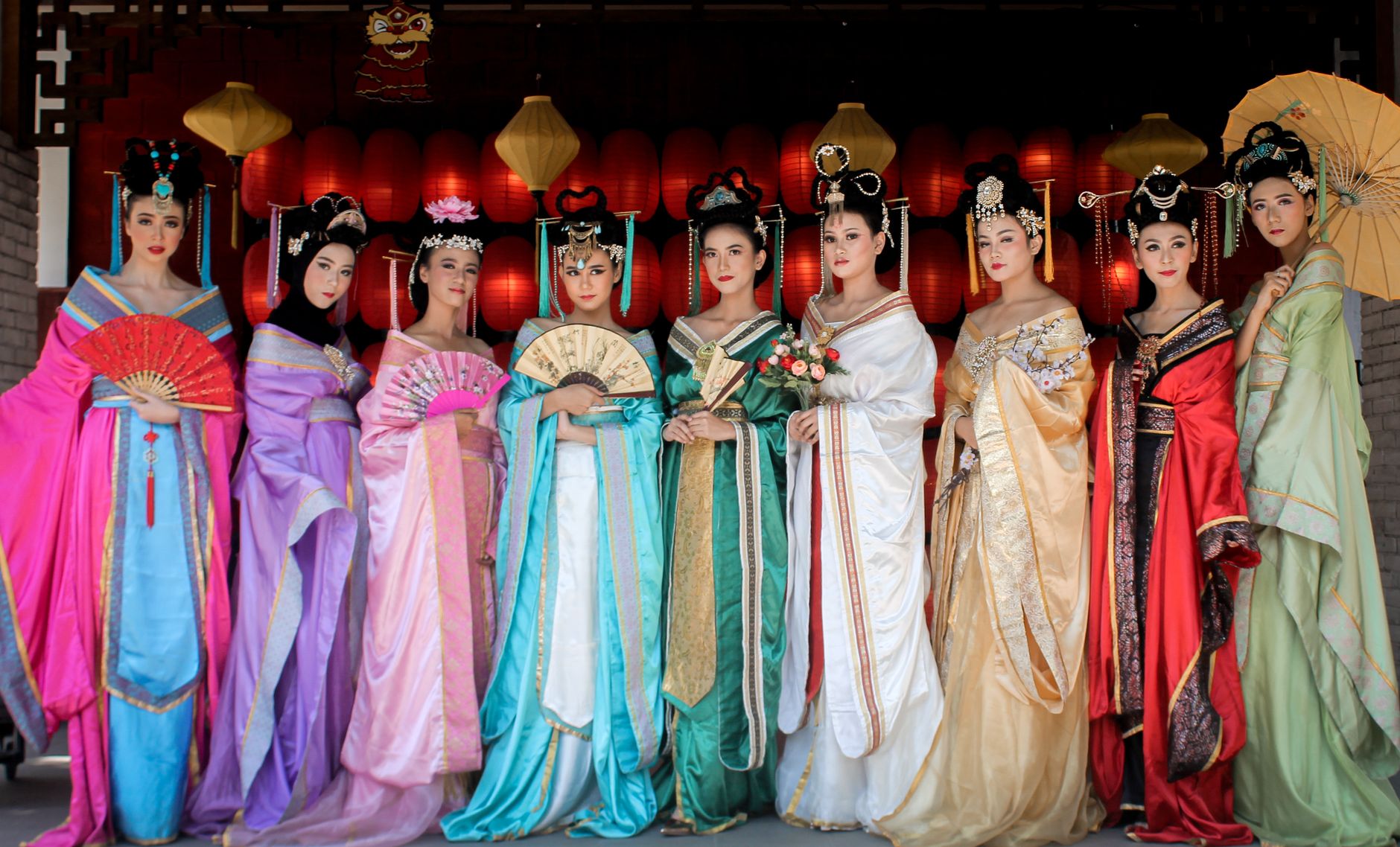
9. Cultural Heritage: Designers drew heavily on their cultural roots, blending traditional elements with contemporary designs. This theme celebrated diversity, acting as a strong platform for representation.
10. Artistic Expression: Taking inspiration from the art world, this theme featured garments that resembled paintings and sculptures. Designers collaborated with artists to turn fashion into a canvas for creative expression.
Budgeting for Your Theme
When planning a fashion show, understanding your budget is key. Costs can range from $5,000 for smaller, cozy shows to $50,000 for larger productions. Here’s a quick rundown of common expenses:
– Venue Rental: $1,000 – $15,000, depending on location.
– Models: $500 – $10,000, based on experience and headcount.
– Production Costs: $2,000 – $20,000, covering lighting, sound, and staging.
– Marketing and Promotion: $500 – $5,000 for branding and outreach.
– Styling and Accessories: $1,000 – $10,000 for outfits and extras.
Overall, a unique theme can significantly affect your budget since certain themes might need specialized decorations, lighting, or props.
Cultural Influences in Fashion Shows
Cultural influences are becoming more prominent in fashion. Designers often weave various cultural elements into their collections, which helps celebrate diversity while educating audiences. Shows inspired by African, Asian, or Latin traditions can showcase intricate craftsmanship, offering insight into those cultures. Blending these influences into their themes allows designers to build engaging narratives that resonate with everyone.
Historical References in Themes
Fashion frequently looks to the past for inspiration. Incorporating historical references in themes can transport viewers to different eras, adding context to current trends. For example, the Retro Renaissance theme drew from striking aesthetics of past decades, while also making connections to modern societal issues. By grounding fashion in history, designers create richer layers that elevate the audience’s experience.
Notable Designers
In 2023, three standout designers left their mark with imaginative themes:
1. Gabriela Hearst: She brought the Sustainable Futurism theme to life, concentrating on ethical practices and innovative materials that tell a story about our planet’s future.
2. Prabal Gurung: Known for his Global Nomad theme, Gurung integrated indigenous textiles, showcasing cultural diversity while supporting artisans around the globe.
3. Iris van Herpen: Her Techno Wonderland designs pushed the boundaries of art and fashion, fusing high-tech fabrics with digital projections for immersive experiences that captivated audiences.
Creating a Memorable Experience
To craft a truly memorable fashion show, consider how the theme enhances the entire experience. This includes the clothing, venue, music, and overall ambiance. I’d also recommend using lighting creatively to enrich the mood, and think about visual storytelling in the set design. Engaging the audience emotionally will ensure they leave with a lasting impression.
FAQs
What are popular fashion show themes?
Popular themes in 2023 include Sustainable Futurism, Nautical Dreamscapes, and Retro Renaissance, each presenting a unique narrative.
How much does it cost to host a fashion show?
Hosting a fashion show typically costs between $5,000 and $50,000, depending on the scale, venue, and production quality.
Who are famous designers to watch?
Gabriela Hearst, Prabal Gurung, and Iris van Herpen are leading designers right now, known for their innovative themes and designs.

1 Comments
Comments are closed.